0086 574 87739122


 Por: Ethan
Para a maioria das aplicações de frutos do mar prontos para varejo, Bandejas de embalagem MAP fornecem vantagens significativas em relação às bandejas de embalagem a vácuo, mantendo uma aparência mais atraente do produto, reduzindo a deformação da embalagem, melhorando a apresentação na prateleira e estendendo a vida útil através de misturas controladas de gases. Embora as bandejas de embalagem a vácuo permaneçam eficazes para certos produtos de frutos do mar, os varejistas geralmente preferem as bandejas de embalagem MAP porque permitem que os consumidores vejam os frutos do mar em um estado mais natural, preservando o frescor e a qualidade.
A embalagem com atmosfera modificada (MAP) substitui o ar dentro de uma embalagem por uma mistura cuidadosamente controlada de gases, como dióxido de carbono, oxigênio e nitrogênio. Este ambiente retarda o crescimento e a oxidação microbiana. As bandejas de embalagem a vácuo removem totalmente o ar, criando uma embalagem firmemente comprimida ao redor do produto. Embora ambos os métodos possam prolongar a vida útil, as bandejas de embalagem MAP frequentemente oferecem um melhor equilíbrio entre a proteção do produto e o apelo ao consumidor em ambientes de varejo de frutos do mar.
As decisões de compra de frutos do mar são altamente influenciadas pela aparência visual. Os consumidores costumam associar cores vivas, textura natural e frescor geral à qualidade do produto. As bandejas de embalagem MAP ajudam a preservar essas características visuais melhor do que as bandejas de embalagem a vácuo em muitos cenários de varejo.
Nas embalagens a vácuo, a retirada do ar pode comprimir os filés de peixe e marisco, alterando por vezes a sua forma natural. Esta compressão pode criar uma aparência que os consumidores consideram menos fresca, mesmo quando o produto permanece seguro e de alta qualidade.
| Fator | Bandejas de embalagem MAP | Bandejas de embalagem a vácuo |
|---|---|---|
| Aparência Visual | Excelente | Moderado |
| Retenção de forma | Alto | Inferior |
| Controle Microbiano | Muito bom | Muito bom |
| Apresentação de prateleira | Excelente | Média |
| Apelo do Consumidor | Alto | Moderado |
Dependendo das espécies de frutos do mar, da temperatura de armazenamento e da composição do gás, as bandejas de embalagem MAP podem prolongar a vida útil refrigerada em 30% a 100% em comparação com embalagens de ar convencionais. Em muitas aplicações de peixe fresco, o prazo de validade pode aumentar de aproximadamente 4 a 6 dias para 8 a 12 dias quando as condições adequadas de MAP são mantidas.
Os produtos do mar viajam frequentemente longas distâncias desde as instalações de processamento até aos centros de distribuição e lojas de retalho. As bandejas de embalagem MAP fornecem uma atmosfera interna protetora que ajuda a amortecer os produtos e reduzir o estresse mecânico durante o transporte.
Os varejistas dão importância significativa à prevenção de vazamentos. As bandejas de embalagem MAP adequadamente projetadas podem ajudar a conter sucos naturais de frutos do mar e minimizar os riscos de contaminação em toda a cadeia de abastecimento. Isto contribui para displays mais limpos e uma melhor gestão da segurança alimentar.
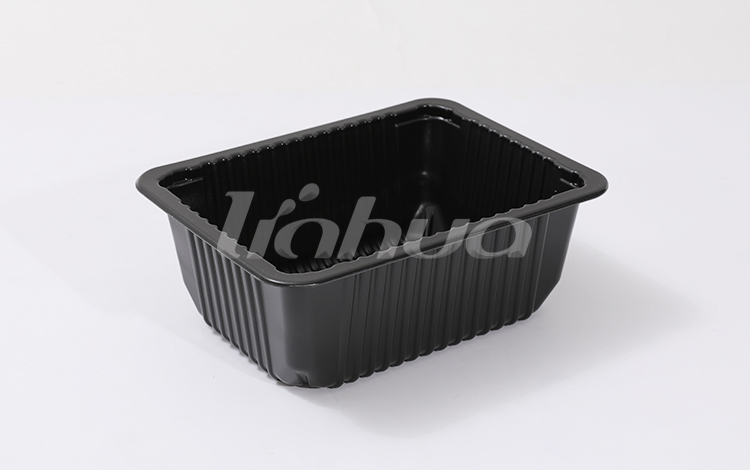
Uma vantagem importante das bandejas de embalagem MAP é a sua adaptabilidade a vários tamanho da bandeja de comida requisitos. Os processadores de frutos do mar embalam uma ampla variedade de produtos, desde pequenas porções de camarão até grandes filés de peixe e variedades premium de mariscos.
Os fabricantes podem selecionar o tamanho apropriado da bandeja de alimentos para maximizar a eficiência das prateleiras, reduzir o desperdício de material e melhorar o visual merchandising. Essa flexibilidade permite que os varejistas criem formatos de embalagens que atendam às preferências e hábitos de compra dos consumidores locais.
Além disso, a profundidade e as dimensões da bandeja podem ser otimizadas para suportar diferentes categorias de frutos do mar, mantendo a integridade do gás. A escolha do tamanho correto da bandeja de alimentos costuma ser crítica para alcançar o desempenho ideal do MAP.
As embalagens de frutos do mar prontas para o varejo devem competir pela atenção do consumidor. As bandejas de embalagem MAP ajudam a criar displays atraentes que mostram a cor, a textura e os indicadores de frescor do produto de forma mais eficaz do que as embalagens a vácuo compactadas.
Os produtos que mantêm a sua aparência durante a distribuição e exposição no varejo têm menos probabilidade de gerar reclamações dos consumidores. Uma apresentação melhorada muitas vezes se traduz em maior satisfação do cliente e taxas de retorno mais baixas.
Os produtos de frutos do mar premium se beneficiam de embalagens que apoiam o posicionamento premium. As bandejas de embalagem MAP podem ajudar os varejistas a comunicar frescor e qualidade, aumentando a disposição do consumidor em comprar frutos do mar de maior valor.
O desenho do prato de comida desempenha um papel crucial no desempenho geral da embalagem. Uma bandeja de alimentos adequadamente projetada fornece suporte estrutural, ajuda a manter a integridade da vedação e contribui para a retenção eficaz de gases.
Para embalagens de frutos do mar, a bandeja de alimentos deve resistir às condições da cadeia de frio, à exposição à umidade e ao manuseio durante a distribuição. Estruturas de bandejas de alta qualidade também reduzem a deformação, ajudando a manter a aparência atraente que os consumidores esperam.
A seleção de um design apropriado de bandeja para alimentos pode melhorar a eficiência operacional e, ao mesmo tempo, garantir um desempenho consistente da embalagem em diferentes categorias de produtos de frutos do mar.
Embora as bandejas de embalagem MAP ofereçam inúmeras vantagens, as bandejas de embalagem a vácuo permanecem adequadas para aplicações específicas. Produtos destinados à exportação de longa distância, armazenamento congelado ou distribuição em serviços de alimentação a granel podem se beneficiar do formato compacto da embalagem a vácuo e da forte capacidade de remoção de oxigênio.
No entanto, para frutos do mar frescos destinados à compra direta pelo consumidor, a aparência e a apresentação na prateleira geralmente superam os benefícios da compressão da embalagem.
As bandejas de embalagem MAP geralmente oferecem vantagens superiores em relação às bandejas de embalagem a vácuo para embalagens de frutos do mar prontas para varejo porque preservam a aparência natural do produto, melhoram a apresentação nas prateleiras, suportam opções flexíveis de tamanho de bandeja de alimentos e fornecem excelente proteção contra frescor.
Ao combinar a tecnologia de atmosfera controlada com uma bandeja de alimentos adequadamente projetada, os varejistas podem melhorar a qualidade do produto, reduzir o desperdício e criar uma experiência de compra mais atraente. Embora as bandejas de embalagem a vácuo continuem a desempenhar funções importantes em cenários específicos da cadeia de suprimentos, as bandejas de embalagem MAP são frequentemente a solução preferida para produtos de frutos do mar frescos exibidos diretamente aos consumidores.
Guia de campo de embalagens para serviços de alimentação Dimensões da xícara de c...
.jpg?imageView2/2/w/600/h/600/format/webp/q/75)
Materiais de embalagem – Briefing do comprador Bandejas de alimentos biodegradáveis: um ...

0086 574 87739122
Copyright © Ningbo Linhua Plastic Co., Ltd. All Rights Reserved.


Publique comentário